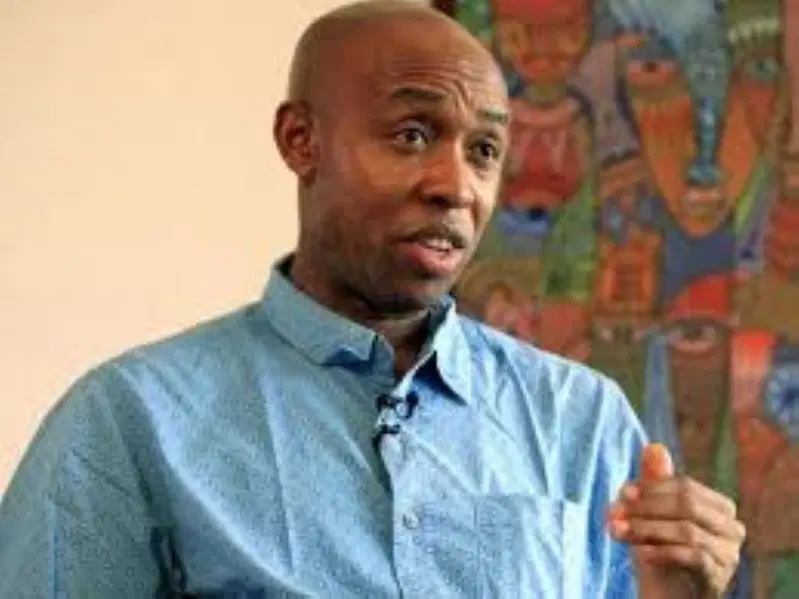
NGO Bill: Odinkalu raises alarm over threat to civil liberties
ABUJA — Human rights lawyer and activist, Chidi Odinkalu, has described the NGO Regulation Bill currently before the National Assembly as the most dangerous piece of legislation proposed in Nigeria since the return to democratic rule in 1999.
The bill has passed first and second readings in the House of Representatives and is now before the House Committee on NGOs, which is scheduled to hold a public hearing in Abuja later this month.
Speaking on the proposed legislation in Abuja on Thursday, Odinkalu said the bill sought to place virtually all non-governmental activities under the control of the Federal Government, warning that its provisions could have far-reaching consequences for civil liberties.
He said the proposed law could affect organisations and institutions across different sectors, including religious bodies, schools, universities, hospitals and humanitarian organisations operating in different parts of the country.
“It covers every entity and everybody that is not government,” he said.
“It affects churches, mosques, schools, universities, hospitals, and humanitarian operations across the country — Northeast, Southeast, South-South, Middle Belt, Northwest and Southwest. The consequences are totalitarian.”
Odinkalu also expressed concern over provisions he said would require funds raised by individuals and organisations to support communities and vulnerable persons to be cleared by authorities in Abuja.
According to him, the proposed framework could subject fundraising and the subsequent use of such funds to federal government approval and oversight.
“Before you raise money in your church or mosque, you need Abuja’s permission. After you raise it, you return the money to Abuja for them to tell you what to do with it. Only Abuja can audit you. Nothing can run without clearance from Abuja,” he said.
The lawyer said the proposed regulations could affect informal community-based savings and support systems, as well as religious organisations and associations.
“The old mamas and papas doing Isusu in the village will have to come to Abuja before they collect, and again before they share. Ahmadiyya will come to Abuja. NASFAT will come to Abuja.
“Mosques that take Friday collections to support their communities will have to account to civil servants who may decide what to do with the money, or simply pocket it.”
He added: “The churches will be out of business. The mosques will be endangered.”
Odinkalu also criticised the proposed licensing provisions, arguing that they could impose onerous requirements on a wide range of associations, including student and religious groups.
He said organisations would be required to obtain licences from the Federal Government and renew them periodically.
“If they register you, the licence lasts two years. After that you apply for renewal. If they refuse, you cannot operate. If you operate without it, you risk 18 months in jail or a N500,000 fine,” he said.
The human rights lawyer further warned that the proposed legislation could undermine freedom of expression and weaken the ability of citizens and organisations to hold government accountable.
He alleged that the bill was designed to create an environment in which criticism of government would be difficult.
“As a citizen, understand what this means: there will be no voice to criticise government. Nobody can tell government anything. Civil servants will collect this money in the name of politicians, and it will be used to fund power that is not accountable to anyone,” he said.
Describing the bill as “the most dangerous legislation we have seen in 20 years,” Odinkalu urged Nigerians to oppose it through civic engagement and public participation.
“But it does not have to become law. It won’t, if citizens speak up,” he said.