‘They vowed to shoot remaining Africans’ — Nigerians recount ordeal in South Africa
A number of Nigerians recently repatriated from South Africa have shared troubling accounts of alleged xenophobia, harassment, discrimination, and extortion, urging fellow Nigerians still living in the country to consider returning home.
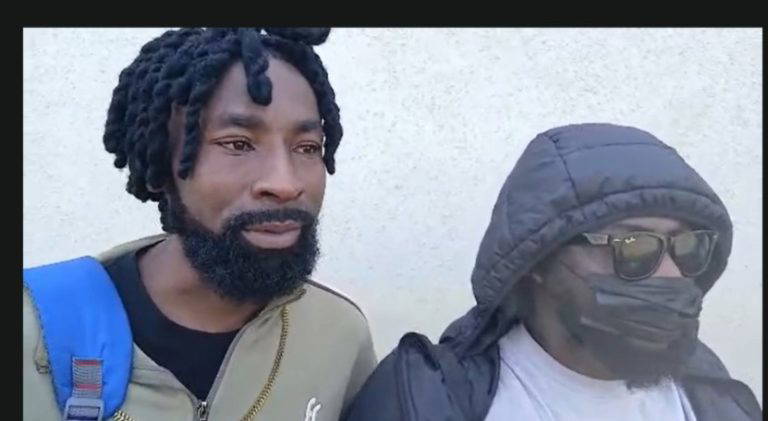
One of the returnees, Mr. Chukwuemeka Chris Okeke, expressed appreciation to the Nigerian government and other individuals who facilitated their return, describing the situation faced by many African migrants in South Africa as increasingly difficult.
According to Okeke, despite the challenges of resettling, returning home has brought him relief and renewed hope.
“There is truly no place like home. We have gone through a lot in South Africa. I am grateful to our President and everyone who contributed to making our return possible. May God continue to bless Nigeria and its people,” he said.
Another returnee, Emmanuel Nwachukwu, alleged that hostility toward foreign nationals, especially Nigerians, has worsened in some parts of South Africa. He claimed that certain groups had threatened violence against African migrants who refused to leave the country.
“They warned that those who remain behind could become targets of attacks,” he alleged.
Nwachukwu further claimed that Nigerians living in South Africa frequently face intimidation and extortion from law enforcement and security personnel.
“Once they discover that you are Nigerian, you become a target for harassment and extortion. It happens regularly,” he alleged.
Addressing questions about the immigration status of many Nigerians in South Africa, Nwachukwu acknowledged that some migrants lack valid documentation but argued that obtaining or renewing legal documents remains a major challenge.
“They accuse people of living there illegally, yet many are unable to obtain the necessary documents. How can people be labeled illegal when they are not being properly documented?” he asked.
He alleged that undocumented migrants are often exploited because of their vulnerable status.
“They know many people do not have valid papers, and that makes them easy targets for intimidation and extortion. The pressure never stops,” he claimed.
Nwachukwu also accused immigration authorities of creating obstacles for foreigners attempting to leave the country.
“Even when people decide to return home, they are sometimes told their documents are incomplete and are subjected to further detention. It feels like a cycle that never ends,” he alleged.
The returnee revealed that he had spent a decade in South Africa, while another individual who returned alongside him said he had lived there for eight years.
Offering advice to Nigerians still abroad, Nwachukwu urged them not to allow fear, pride, or embarrassment to stop them from returning home.
“Many people remain there because they are ashamed to come back without financial success. I encouraged my friends to put aside that fear and return home. There is no place like home,” he said.
He further alleged that many foreigners encounter difficulties renewing immigration documents, making them vulnerable to arrest and harassment.
“My documents expired, and despite efforts to renew them, the process was unsuccessful. That leaves many people constantly worried whenever they encounter police or immigration officials. We often do not feel safe,” he stated.
Despite the challenges they experienced abroad, the returnees expressed optimism about Nigeria’s future and called on citizens to work together for national development.
“I am happy to be back home. I urge Nigerians to unite and contribute toward building a stronger and better country,” Okeke added.
Their accounts come amid ongoing concerns regarding the treatment of foreign nationals in South Africa, where periodic incidents of anti-immigrant sentiment and violence have continued to attract attention from governments and human rights organizations across the African continent.