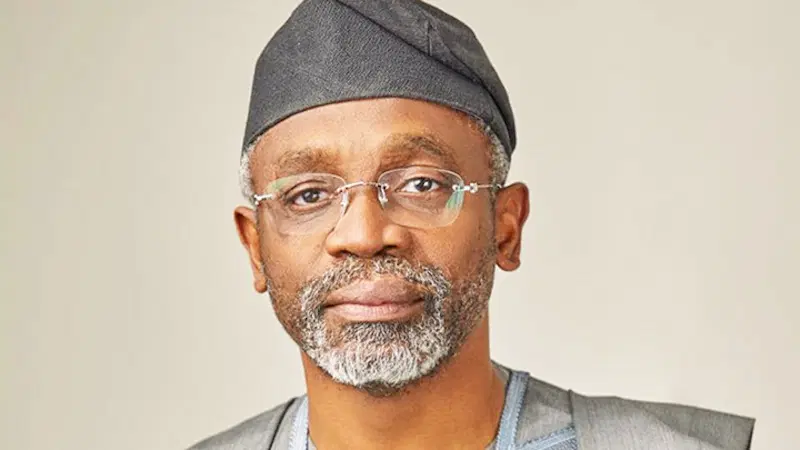
FG to review N70,000 minimum wage – Gbajabiamila
By Progress Godfrey
ABUJA — The Federal Government has indicated its readiness to reassess the national minimum wage, acknowledging that the current N70,000 benchmark may no longer adequately address prevailing economic realities and the rising cost of living across the country.
The indication was given on Thursday by the Chief of Staff to the President, Femi Gbajabiamila, during the Good Governance Summit 2026, organised by the Working People United (WoPU) in Abuja.
The proposed review comes less than two years after President Bola Tinubu signed the N70,000 minimum wage into law in July 2024, increasing it from the previous N30,000. The legislation also reduced the wage review cycle from five years to three years to ensure workers’ earnings remain more responsive to economic changes.
Gbajabiamila said the administration remains committed to protecting workers’ welfare and recognises the need for wages to reflect current economic conditions.
He noted that while the N70,000 minimum wage represented a significant achievement when introduced in 2024, changing economic circumstances require a fresh assessment of its adequacy.
According to him, the government intends to approach any future wage review through collaboration and engagement with organised labour rather than confrontation.
“The N70,000 minimum wage was a landmark achievement in 2024, but it must be honestly evaluated against current realities. When the time comes to commence another review, this administration will engage labour as a partner in the process, not as an adversary,” he said.
Gbajabiamila further called on labour unions to maintain constructive dialogue with the government, stressing that cooperation would yield more sustainable benefits for workers and the broader economy.
Also speaking at the summit, the Minister of Labour and Employment, Muhammad Dingyadi, emphasised that the effectiveness of governance should be measured by the impact of policies on the lives of citizens.
He stated that government programmes must move beyond policy documents and announcements to deliver tangible improvements in workers’ welfare, productivity, social protection, and economic opportunities.
“Good governance is ultimately reflected in improved livelihoods, decent jobs, higher productivity, stronger social protection systems, expanded economic opportunities, and greater dignity for working people,” Dingyadi said.
In his remarks, the National Coordinator of WoPU, Williams Akporeha, described workers as the foundation of Nigeria’s economy and development.
He stressed that national productivity, economic growth, and overall development depend largely on the contributions of the country’s workforce.
Akporeha also described the summit as a unique platform that brought together workers from various sectors, united by a shared commitment to advancing national development and improving the welfare of Nigerians.