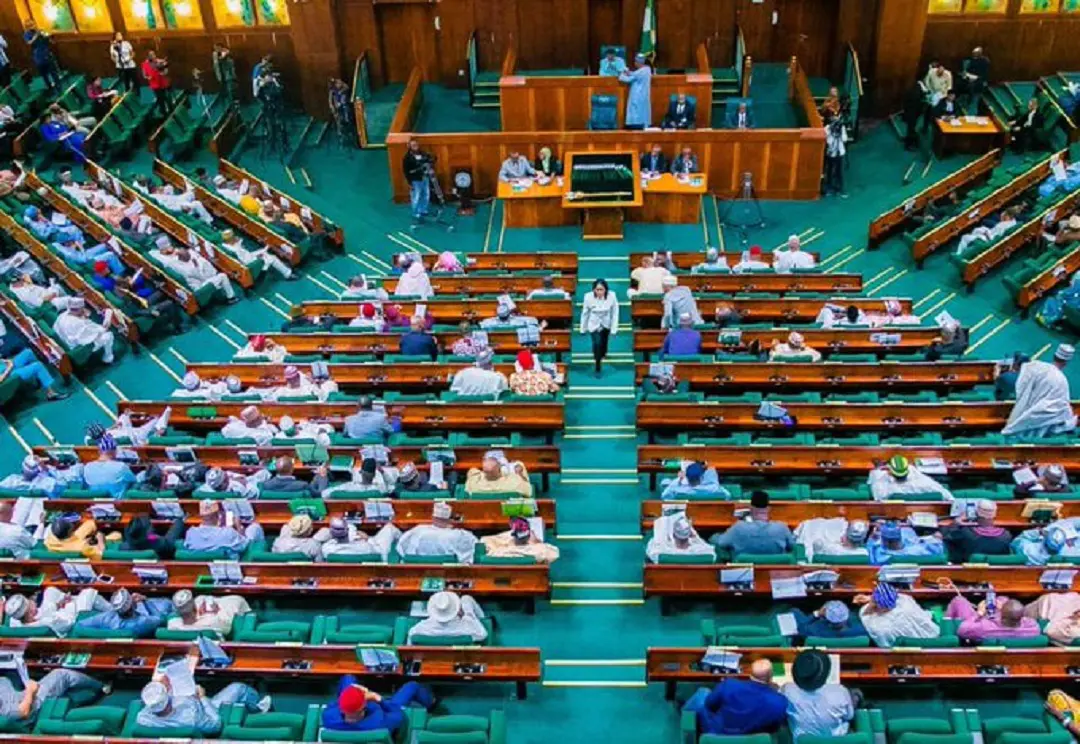
Reps begin hearings on Defence bills to strengthen military, veterans’ welfare
By Gift Chapi Odekina, Abuja
ABUJA — The House of Representatives on Monday commenced a two-day public hearing on several defence-related bills aimed at strengthening Nigeria’s military institutions, improving personnel welfare, and enhancing the Armed Forces’ ability to address emerging security threats.
Speaking at the opening ceremony held at the National Assembly Complex, Speaker of the House, Abbas Tajudeen, said the proposed legislation aligns with the 10th House Legislative Agenda and reflects the need to adapt Nigeria’s security architecture to current realities.
Tajudeen noted that Nigeria continues to grapple with multiple security challenges, including insurgency in the North-East, banditry and kidnapping in the North-West, farmer-herder clashes in the North-Central, separatist agitations in the South-East, and emerging threats such as cybercrime, maritime piracy, and terrorism-linked organised crime.
“Our Armed Forces remain stretched by the scale of these challenges, yet they continue to serve as the nation’s primary line of defence,” he stated.
According to the Speaker, the bills are designed to modernise the legal and institutional framework governing the military, making it more effective, accountable, inclusive, and responsive to contemporary security demands.
Key proposals before the House include the establishment of an Armed Forces Farms and Ranches Scheme to promote food security in conflict-affected communities, measures to improve gender inclusion within the military, a Nigerian Military Force Bill intended to replace the existing Armed Forces Act, and legislation creating a Veterans’ Federation of Nigeria to enhance support for retired military personnel.
Tajudeen emphasized that the hearing was not a mere formality, assuring stakeholders that all submissions and recommendations would be carefully considered before the committee presents its final report.
Chairman of the House Committee on Defence, **Babajimi Benson**, described the hearing as an important platform for stakeholder engagement in shaping defence policy. He explained that the proposed legislation covers areas such as military training, operational coordination, healthcare, research and doctrine development, governance reforms, food security initiatives, and veterans’ welfare.
Benson also praised members of the Armed Forces for their dedication and sacrifices in protecting the nation, urging stakeholders to contribute meaningfully through memoranda and presentations.
The hearing witnessed differing opinions on the proposed Veterans’ Federation of Nigeria (VFN) Bill, particularly among retired military personnel.
Supporters of the bill, including **G.A. Olonisakin**, argued that the proposed structure is consistent with international best practices. They cited examples from countries such as the United States, the United Kingdom, Canada, and Australia, where veterans’ organisations function as associations while government agencies oversee welfare programmes.
However, critics contended that the bill, in its current form, gives excessive control to senior officers and fails to adequately represent lower-ranked veterans.
A retired non-commissioned officer and legal practitioner, Sadiqe Nwabuezeh, described the proposal as unbalanced and advocated instead for the establishment of a dedicated Ministry of Veterans Affairs managed by former service personnel. He maintained that veterans should have greater influence over institutions created for their welfare and called for broader representation across all military ranks.
The public hearing is expected to conclude with recommendations that will assist the House Committee on Defence in finalising the bills for further legislative consideration.